
Living in Patchogue, NY, means experiencing the full spectrum of seasons—from humid summers to freezing winters. While most homeowners remember to winterize their plumbing or service their HVAC systems, locks and security hardware often get overlooked. Yet these essential components of your home's security face constant exposure to the elements, wear from daily use, and the unique challenges each season brings. Regular seasonal maintenance of your locks, keys, and security systems can prevent costly emergency lockouts, extend the lifespan of your hardware, and ensure your property remains secure year-round. Whether you're protecting your home on County Rd 19 or managing a commercial property in the area, these seasonal maintenance tips will help keep your locks functioning smoothly through every weather condition.
Spring Lock Maintenance: Refresh and Renew
As temperatures rise and humidity increases in Patchogue, spring is the perfect time to assess any winter damage and prepare your locks for the warmer months ahead. The freeze-thaw cycles of winter can take a toll on exterior locks, creating opportunities for rust, misalignment, and accumulated debris.
Start by thoroughly inspecting all exterior door locks, including front and back doors, garage entries, and gate locks. Look for signs of rust, corrosion, or weathering on the lock face and keyhole. Clean each lock using a dry cloth to remove any dirt, salt residue from winter de-icing, or pollen accumulation. For stubborn grime, use a small brush—an old toothbrush works perfectly—to clean around the keyhole and lock mechanism.
Spring maintenance checklist:
- Lubricate all locks with graphite powder or silicone-based lubricant (never use oil-based products, which attract dirt)
- Test all keys to ensure smooth operation without sticking or resistance
- Check door alignment—winter settling may cause doors to shift, putting stress on locks
- Replace weatherstripping around doors to prevent moisture intrusion
- Have spare keys made before the busy summer season
- Inspect and clean sliding glass door locks and tracks
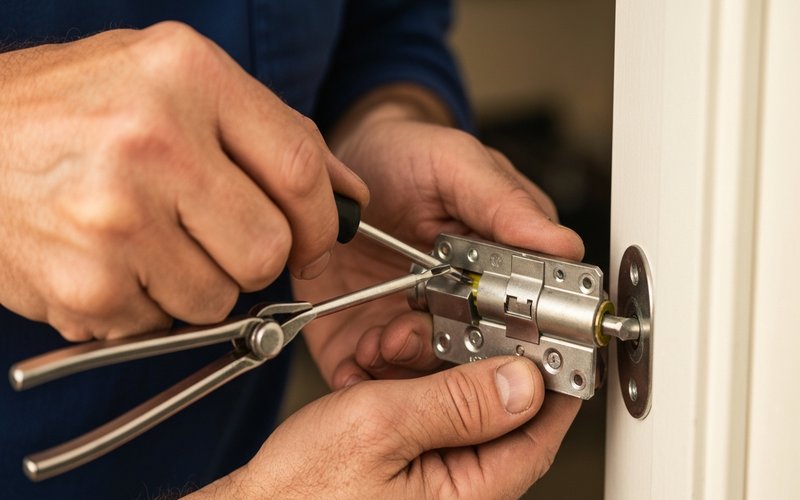
Summer Lock Care: Combat Heat and Humidity
Summer in Patchogue brings high temperatures and humidity levels that can wreak havoc on locks, particularly if they're exposed to direct sunlight. Metal components expand in heat, which can cause locks to feel stiff or keys to stick. Humidity can lead to moisture accumulation inside lock mechanisms, potentially causing rust or corrosion over time.
Pay special attention to locks on sheds, garages, and outdoor gates during summer months. These locks often receive less frequent use and may go unnoticed until they fail completely. Before leaving for summer vacation, test every lock on your property to avoid returning home to a malfunctioning lock after weeks away.
Summer maintenance priorities:
- Apply a dry lubricant to locks every 4-6 weeks during peak humidity
- Consider installing protective covers on exposed padlocks and outdoor hardware
- Check that air conditioning isn't creating condensation around interior door locks
- Test your car locks and key fobs—heat can affect electronic components
- Ensure window locks function properly when windows are frequently opened and closed
- Verify that vacation home or rental property locks operate smoothly before tenant arrivals
Fall Lock Preparation: Ready for Colder Weather
Autumn in Patchogue is the critical season for lock preparation. The work you do now determines whether you'll face frozen locks or emergency lockouts during winter. As leaves fall and temperatures drop, moisture becomes your lock's biggest enemy.
Begin by removing any moisture from lock mechanisms using compressed air or a dry cloth. Check that door frames haven't shifted—seasonal changes can cause wood to expand or contract, affecting how doors close and putting stress on lock bolts. This is particularly important for older homes in the Patchogue area where settling is common.
Fall preparation essentials:
- Deep clean all exterior locks to remove summer dust and pollen
- Apply a weather-resistant lubricant designed for cold temperatures
- Check and replace worn keys before winter—cold weather makes brittle keys more likely to break
- Install storm doors if you haven't already, providing an extra barrier against winter weather
- Test deadbolts to ensure they fully extend and retract smoothly
- Inspect lock strike plates and tighten loose screws
- Consider upgrading to freeze-resistant locks for problem areas
Winter Lock Protection: Prevent Freezing and Damage
Winter presents the most challenging conditions for locks in Patchogue. Freezing temperatures, snow, ice, and road salt create a perfect storm for lock problems. A frozen lock at 6 AM on a workday isn't just inconvenient—it can be dangerous if you can't access your vehicle or home in severe weather.
The key to winter lock success is keeping moisture out. Even small amounts of water can freeze inside a lock mechanism, making it impossible to insert a key or turn the lock. Never try to force a frozen lock, as this can break your key or damage internal components.
Winter protection strategies:
- Cover exterior locks with magnetic covers or plastic shields when not in use
- Never use WD-40 in winter—it can freeze inside the lock
- Keep a lock de-icer in your bag (not in your car, where you can't reach it)
- Dry your keys thoroughly after exposure to snow or rain
- Avoid breathing into a frozen lock—moisture from your breath will make it worse
- Check that doors close completely—gaps allow snow and ice to reach locks
- Consider heated key fob cases for electronic car keys
Year-Round Best Practices for Lock Longevity
Regardless of season, certain maintenance practices should become part of your regular routine. These habits prevent the majority of lock-related problems and extend the life of your security hardware significantly.
Inspect your locks monthly—not just when problems arise. A quick visual check takes only minutes but can alert you to developing issues before they become emergencies. Listen to your locks: any grinding, sticking, or unusual resistance means something needs attention.
Essential year-round habits:
- Never force a sticking key or lock
- Keep keys clean and free from debris
- Lubricate high-use locks every three months
- Address minor issues immediately before they worsen
- Keep emergency locksmith contact information easily accessible
- Maintain spare keys with trusted neighbors or family members
- Document your lock types and key codes for easy replacement if needed
Common Lock Problems and When to Call Professionals
While regular maintenance prevents many issues, some problems require professional attention. Understanding when DIY maintenance ends and professional service begins can save you money and prevent damage to your locks.
Call a professional locksmith if you experience keys that suddenly won't turn, locks that won't engage properly, visible damage to lock components, or repeated key breakage. These issues often indicate internal mechanism problems that maintenance alone can't fix. Similarly, if you're experiencing frequent lockouts or your keys feel increasingly difficult to use, the lock may be wearing out and need replacement.
Frequently Asked Questions
What to do if you can't afford a locksmith?
If you're locked out and concerned about costs, first check if you have coverage through homeowners insurance, roadside assistance, or a home warranty program—many include locksmith services. For non-emergency situations, compare quotes from multiple locksmiths and ask about payment plans. Some locksmiths offer discounts for seniors, military members, or off-peak service calls. You can also prevent costly emergency calls by having spare keys made and given to trusted neighbors, which costs just a few dollars.
What proof do I need for a locksmith?
Reputable locksmiths require identification and proof of residence or vehicle ownership before providing access. For home lockouts, bring a driver's license or state ID that matches the address, along with utility bills, mortgage documents, or lease agreements if the address on your ID differs. For vehicles, provide your driver's license and vehicle registration. This verification protects you from fraudulent locksmiths and ensures only authorized individuals gain access to properties.
How to open your house door if you're locked out without a key?
Before attempting any DIY methods, check if any windows or other doors are unlocked, or if a trusted neighbor has your spare key. For safety and to avoid damage, the best solution is calling a professional locksmith who can open your door without causing harm to the lock or door frame. Attempting to pick locks, remove door hinges, or force entry yourself can cause hundreds of dollars in damage and may void insurance coverage. Professional locksmiths have specialized tools to gain entry quickly without destruction.
Protect Your Investment with Professional Support
Regular seasonal maintenance is your first line of defense against lock failures, but having a trusted locksmith partner ensures you're never left stranded. Quality locks are an investment in your family's safety and your property's security—they deserve the same care and attention you give to other important home systems.
At Patchogue Locksmith, we understand the unique challenges that Patchogue's weather and environment create for your locks and security hardware. Our team serves the County Rd 19 area and surrounding neighborhoods with comprehensive locksmith services, from routine maintenance to emergency lockouts. Whether you need seasonal tune-ups, lock replacements, or 24/7 emergency assistance, we're here to help keep your property secure year-round.
Don't wait for a lock failure or emergency lockout to think about your lock maintenance. Contact Patchogue Locksmith today to schedule a seasonal inspection or to discuss upgrading to more weather-resistant, secure locks. Our experienced professionals can assess your property's specific needs and create a customized maintenance plan that works with Patchogue's seasonal challenges. Keep our number handy for any lock-related needs, and remember—an ounce of prevention is worth a pound of cure, especially when it comes to your home's security.